The Wellness Trend That’s Actually Increasing Stress — Not Reducing It
Wellness has become a multi-billion-dollar industry.
Cold plunges.
Green powders.
Step counters.
Sleep trackers.
Morning routines.
Meditation apps.
The message is clear: optimize everything.
But here is the uncomfortable reality:
For many people, modern wellness culture is creating more stress than relief.
The Rise of “Performance Wellness”
Health used to mean balance.
Now it often means optimization.
How many steps did you take?
How many hours did you sleep?
What is your resting heart rate?
Did you journal, hydrate, stretch, and meditate before 7 a.m.?
Wellness has shifted from self-care to self-surveillance.
When every metric becomes a performance score, relaxation disappears.
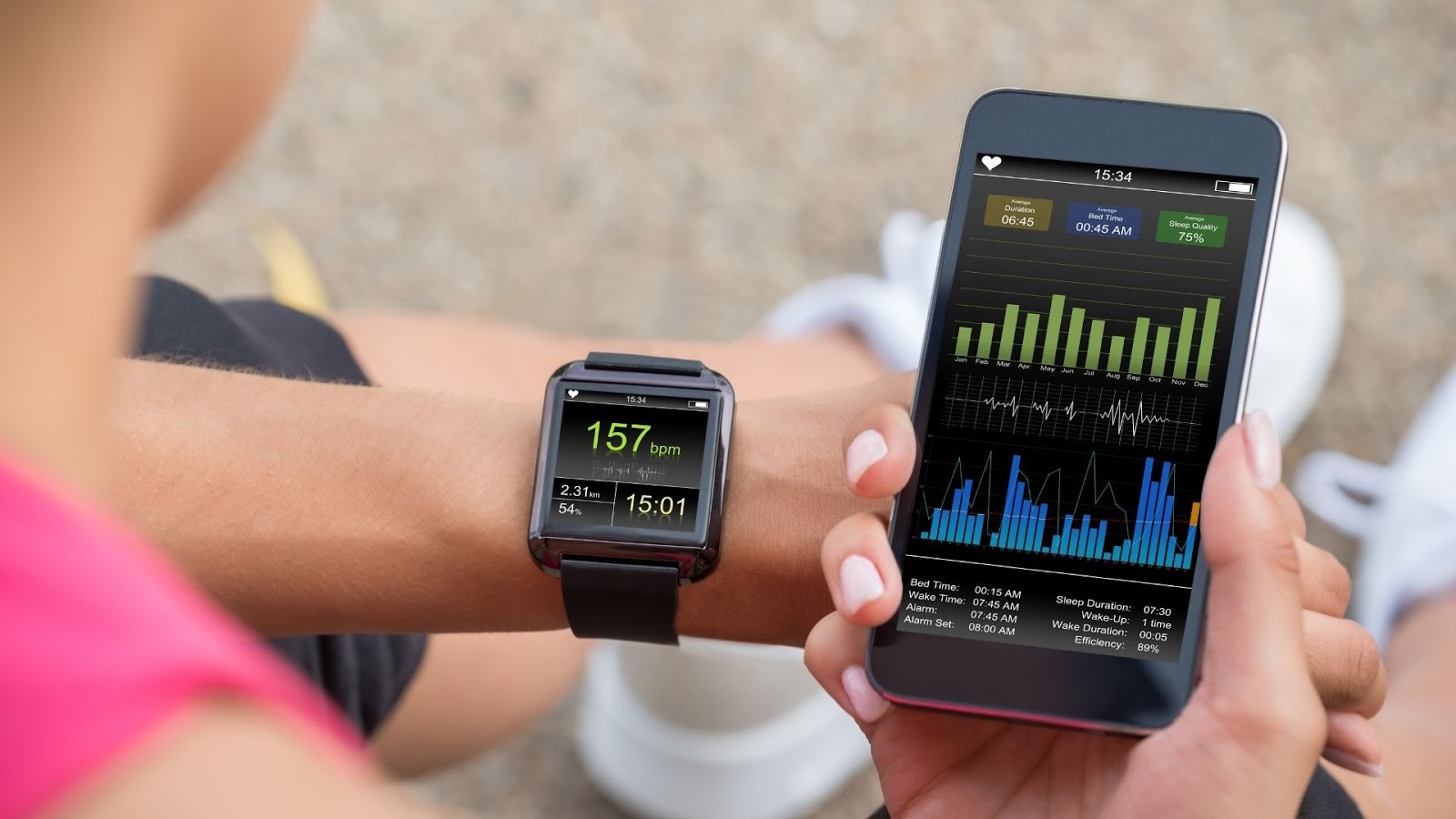
Tracking Fatigue
Fitness trackers and health apps can be helpful.
They provide insight into patterns and habits.
But constant monitoring can trigger anxiety.
Instead of asking, “How do I feel?” people ask, “What does my device say?”
When numbers override intuition, stress increases.
If your sleep score is lower than expected, you may feel tired — even if you were fine before checking.
The Supplement Overload
Another growing trend is aggressive supplementation.
Multivitamins. Adaptogens. Protein powders. Electrolytes. Nootropics.
While certain supplements can be beneficial, piling on products often creates:
- Decision fatigue
- Financial pressure
- Confusion about effectiveness
More is not always better.
Often, basic habits like hydration, balanced meals, and consistent sleep outperform complex regimens.
The Morning Routine Arms Race
Social media amplifies hyper-structured morning routines.
Wake at 5 a.m.
Cold shower.
Journaling.
Workout.
Reading.
Goal setting.
While routines can improve productivity, forcing rigid systems that do not align with your natural rhythm creates stress.
Missing one step can feel like failure.
Wellness should feel supportive — not competitive.
Comparison Culture
The wellness industry thrives on visibility.
Perfect kitchens. Organized supplement shelves. Filtered gym selfies.
Comparison shifts focus from personal health to perceived performance.
You begin asking:
“Am I doing enough?”
“Is my routine advanced enough?”
Stress emerges from perceived inadequacy.
When Relaxation Becomes Another Task
Ironically, many people schedule relaxation as another obligation.
Meditation becomes a checkbox.
Stretching becomes a requirement.
Even self-care becomes productivity-driven.
When wellness becomes another item on a to-do list, it loses its restorative purpose.
The Simpler Path to Health
Real health often looks less dramatic.
- Consistent sleep
- Moderate exercise
- Balanced meals
- Social connection
- Time outdoors
No expensive tools required.
Simplicity reduces pressure.
Listening to Your Body Again
Data and tools are helpful — but they should support awareness, not replace it.
Ask:
- Do I feel rested?
- Do I feel energized?
- Am I constantly tense?
- Is my routine sustainable?
Your body often provides clearer signals than any app.
The Bigger Perspective
Wellness is supposed to reduce stress.
If your routine increases anxiety, drains energy, or creates guilt, it may be time to simplify.
Health is not a competition.
It is not a checklist.
It is not a brand identity.
True wellness is quiet, consistent, and adaptable.
It supports your life rather than dominating it.
And sometimes, the healthiest move you can make is stepping back from optimization — and choosing balance instead.