
The Systems We Rely On Most Are the Ones We Rarely Think About
Most of modern life runs on systems that never introduce themselves. They don’t demand attention, make announcements, or invite reflection. They work quietly, in the background, handling coordination, timing, and continuity without ceremony. And because they work, they disappear.
We rarely think about the systems that function well. They fade into routine. We assume they’ll be there tomorrow, and the day after that. Their success is measured by absence — the absence of disruption, confusion, or delay.
These systems exist everywhere. In technology, they’re the tools that save work automatically, sync information across devices, and handle payments without friction. In cities, they’re the infrastructure that moves people, power, and data without daily inspection. In organizations, they’re the processes that keep operations steady even when conditions change.
What makes these systems powerful isn’t sophistication. It’s reliability. They tolerate human imperfection. They recover from small errors. They function even when attention is divided. Over time, trust replaces awareness. We stop checking because we’ve learned that checking isn’t necessary.
This trust reshapes behavior. Decisions are made faster because foundational systems are assumed. Attention moves upward, toward creativity, problem-solving, and connection. The background holds everything else in place.
The moment a system fails, its invisibility disappears instantly. A missed sync. A delayed transaction. A broken connection. Suddenly, the system becomes visible — not as support, but as obstruction. Frustration emerges not because the failure is catastrophic, but because it interrupts something we assumed was stable.
This reaction reveals how deeply integrated these systems are. They don’t just support activity; they enable it. When they falter, everything built on top of them stumbles.
The end of the year often makes this reliance more apparent. Schedules tighten. Coordination increases. Deadlines overlap. Systems that function quietly become essential. Calendars align lives. Digital records replace memory. Automated processes prevent small oversights from becoming large problems.
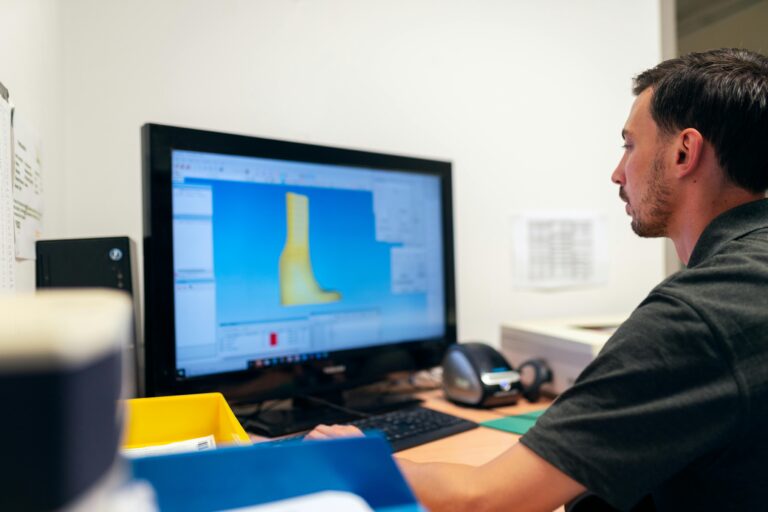
Visually, these systems are unremarkable. Screens glowing on desks. Transit lines in motion. Documents stored without paper. People moving through spaces without stopping to consider what makes movement possible. The imagery lacks drama, but the impact is constant.
There’s also a cultural shift underway. People increasingly value systems that don’t demand engagement. Tools that require constant attention feel intrusive. Those that integrate seamlessly feel respectful. The best systems now aim to remove friction rather than introduce features.
This shift changes how power operates. Influence moves away from what is most visible and toward what is most embedded. Defaults matter more than choices. Infrastructure shapes behavior quietly. The systems we rarely think about become the ones that define what’s possible.
This doesn’t mean these systems are neutral. Their design decisions still matter. Their limitations still shape outcomes. But their invisibility makes them harder to question, even as reliance grows.
Recognizing this dynamic doesn’t require suspicion. It requires awareness. Understanding that what fades into the background isn’t disappearing — it’s becoming foundational.
The systems we rely on most rarely ask to be noticed. But they hold everything else together. And in a world that feels increasingly complex, their quiet presence may be the most powerful force of all.