How to Validate a Business Idea Before You Launch It (No Excuses, No Guesswork)
Launching a business without validating the idea first is one of the most expensive mistakes entrepreneurs make. Time, money, and energy get poured into something that feels right—only to discover there isn’t real demand. Validation isn’t about killing enthusiasm; it’s about replacing assumptions with evidence. Done right, it saves you months of effort and positions you for a stronger launch.
The first step in validation is clearly defining the problem—not the product. Many ideas fail because founders fall in love with solutions before confirming the pain point. Ask yourself: What specific problem does this idea solve, and for whom? If you can’t explain the problem in one clear sentence, validation can’t begin.
Next, identify your target customer with precision. “Everyone” is not a market. Narrow your focus by role, behavior, context, or situation. Who feels this problem most acutely? Where do they experience it? How are they solving it today? The more specific your audience, the easier it is to validate demand.
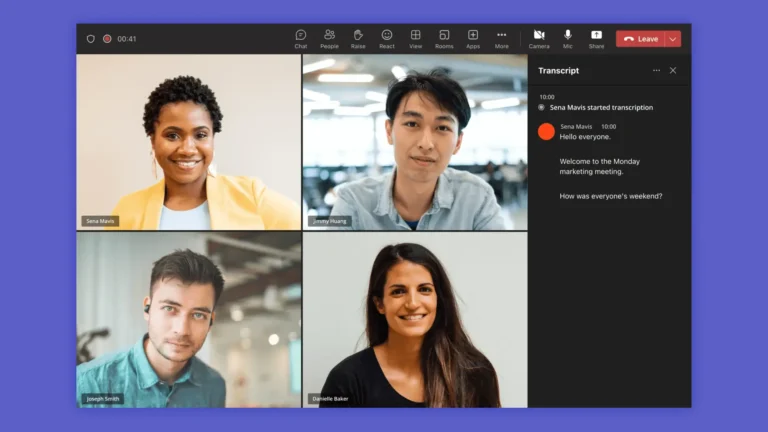
Customer discovery comes before building anything. Talk to real people who fit your target profile. These conversations aren’t pitches—they’re listening sessions. Ask open-ended questions about their challenges, current solutions, and frustrations. Pay attention to patterns. If multiple people describe the same pain in their own words, you’re onto something. If conversations feel forced or polite, that’s a signal too.
A common validation mistake is asking leading questions like, “Would you use this?” People often say yes to be nice. Instead, ask about past behavior. Questions like “How have you tried to solve this?” or “What happened the last time this problem came up?” reveal whether the pain is strong enough to motivate action.
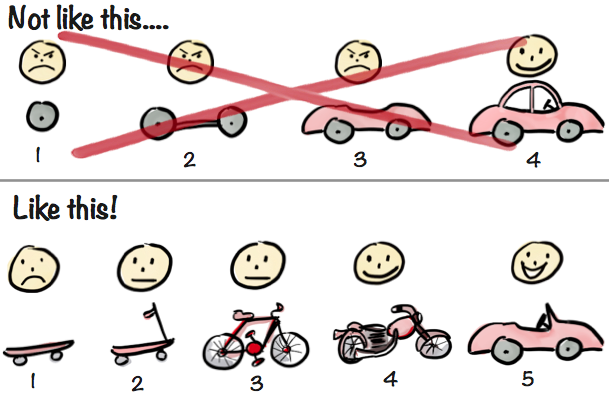
Once you’ve confirmed a real problem, test your proposed solution in the simplest possible way. This is where the concept of a minimum viable product (MVP) comes in. An MVP doesn’t have to be a full product—it can be a landing page, a prototype, a mock-up, or even a manual service. The goal is to see if people take a meaningful action, such as signing up, booking a call, or paying.
Pricing is part of validation, not something to figure out later. If no one is willing to pay—even a small amount—that’s critical information. Free interest doesn’t equal demand. Charging early helps determine whether the problem is valuable enough to justify a business.
Market research adds another layer of validation. Look at competitors, alternatives, and substitutes. If no one is addressing the problem, ask why. If many are, identify what’s missing. Competition doesn’t invalidate an idea—it often confirms demand. Your edge comes from differentiation, not novelty alone.
Another important validation signal is speed. How quickly do people respond? Do they follow up? Do they share the idea with others? Strong ideas create momentum. Weak ones require constant pushing. Energy from the market is often a clearer signal than positive feedback.
Avoid the trap of endless planning. Validation requires action, not perfection. Many entrepreneurs delay testing because they want everything to look “ready.” In reality, early validation should feel slightly uncomfortable. You’re testing assumptions in public, and that’s the point.
Metrics matter, but context matters more. A low conversion rate isn’t failure if the insights are clear. Validation is about learning quickly and cheaply. Each test should answer a specific question: Is this problem real? Is this solution compelling? Will people pay?
Finally, be willing to pivot. Validation isn’t about proving yourself right—it’s about finding the right direction. Sometimes the idea needs refinement. Sometimes the audience is wrong. Sometimes the problem is adjacent to what you thought. These adjustments aren’t setbacks; they’re progress.
Validating a business idea before launch isn’t optional—it’s responsible entrepreneurship. It replaces hope with data and confidence with clarity. When you validate early, you don’t just reduce risk—you build a business on purpose.
The strongest businesses don’t start with certainty. They start with curiosity, evidence, and the discipline to test before they leap.