Budgeting for Your Next Trip: Travel Hacks That Add Up to Big Savings
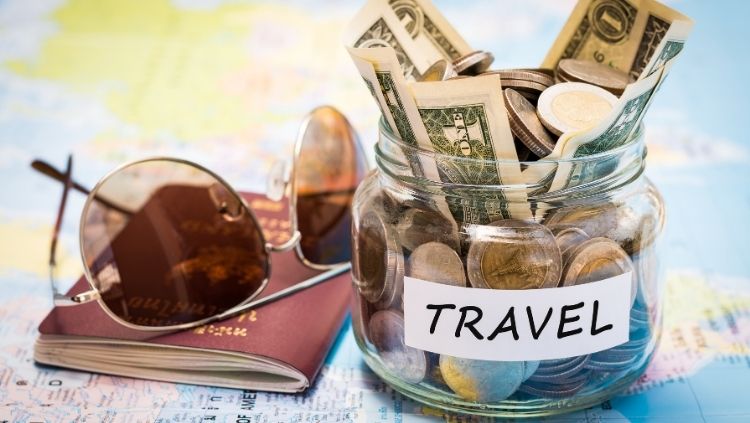
Travel doesn’t have to mean overspending or months of financial stress afterward. With a little planning and a few smart habits, you can take meaningful trips without blowing your budget. The key isn’t extreme frugality—it’s intentional choices that quietly add up to real savings before, during, and after your trip.
The first step in travel budgeting is deciding what actually matters to you. Some travelers care most about location and views, while others prioritize food, experiences, or comfort. Knowing your priorities helps you spend confidently in the areas that bring you the most joy and cut costs where they don’t. A budget works best when it reflects personal values, not generic travel advice.
Timing is one of the biggest money-saving tools available. Traveling during shoulder seasons—just before or after peak periods—often delivers the best balance of cost and experience. Flights and accommodations are cheaper, crowds are smaller, and destinations feel more relaxed. Flexibility with travel dates can unlock significant savings without sacrificing quality.
Transportation costs add up quickly, but small choices make a difference. Setting price alerts for flights allows you to book when prices dip rather than guessing. Being open to nearby airports or alternative routes can also reduce costs. Once at your destination, using public transportation or walking not only saves money but often leads to more authentic experiences.
Accommodations don’t have to be expensive to be comfortable. Budget-friendly options like guesthouses, vacation rentals, or smaller boutique stays often provide better value than large hotels. Choosing places with kitchens or breakfast included reduces daily food expenses. Location matters too—staying slightly outside tourist centers can lower prices while offering a more local feel.
Food is one of the easiest places to overspend—or save. Eating every meal at restaurants adds up fast, especially in popular destinations. Mixing sit-down meals with street food, markets, or simple grocery stops keeps costs under control without sacrificing flavor. Local bakeries, food halls, and casual eateries often offer the best value and most memorable meals.
Activities and experiences deserve thoughtful budgeting. Many destinations offer free or low-cost attractions such as walking tours, museums with free days, parks, beaches, and viewpoints. Researching these options ahead of time prevents impulse spending and helps you build a full itinerary without extra cost. When you do splurge, choosing one or two standout experiences makes them feel more special.
Packing strategically also saves money. Bringing essentials like reusable water bottles, snacks, or weather-appropriate clothing reduces last-minute purchases at inflated prices. Packing light can even eliminate checked bag fees, which quickly eat into travel budgets.
Using travel budgeting apps or simple spreadsheets helps track spending in real time. Seeing daily totals encourages mindful decisions without turning the trip into an accounting exercise. Setting a daily spending range rather than a rigid limit provides flexibility while keeping finances in check.
Another overlooked strategy is planning for post-trip expenses. Budgeting for souvenirs, transportation home, and the transition back to daily life prevents travel debt from lingering. A trip feels better when you return without financial regret.
Travel insurance is also worth factoring into the budget. While it may feel like an extra cost, it protects against unexpected expenses that could otherwise derail finances entirely. Viewing insurance as part of the trip cost—not an optional add-on—adds peace of mind.
Finally, remember that travel budgets aren’t about restriction—they’re about freedom. When you plan intentionally, you remove guilt from spending and stress from decision-making. Every dollar has a purpose, and every experience feels earned rather than impulsive.
Great trips aren’t defined by how much you spend, but by how present you are. With smart budgeting and a flexible mindset, travel becomes less about cost and more about connection, discovery, and enjoyment.
When your money works with your plans instead of against them, travel stops feeling like a splurge—and starts feeling like a sustainable part of your life.